What Is Precision Machining? A Beginner’s Guide for Manufacturers
Precision machining is a foundational process in modern manufacturing, enabling the production of highly accurate and complex components used across industries such as aerospace, automotive, medical, and industrial equipment. As tolerances become tighter and product performance standards increase, manufacturers must rely on advanced machining methods to ensure consistency, durability, and reliability. Precision machining refers to the controlled removal of material from a workpiece using specialized tools and computer-guided equipment to achieve exact dimensions and surface finishes.
For manufacturers entering competitive markets, understanding precision machining is not optional—it is essential. Even minor dimensional errors can lead to performance failures, costly recalls, or compromised safety. Whether producing custom machine parts, prototypes, or high-volume production runs, precision machining ensures that components meet strict engineering specifications. This beginner’s guide explains what precision machining is, how it works, the technologies involved, its benefits, challenges, and best practices. By the end, manufacturers will have a clear understanding of how precision machining supports quality control, operational efficiency, and long-term business growth.
1. Understanding Precision Machining Fundamentals
What Is Precision Machining?
Precision machining is a highly specialized subtractive manufacturing process that carefully removes material from a solid workpiece to achieve exact dimensions, extremely tight tolerances, and precise surface finishes. Unlike conventional machining, precision machining emphasizes microscopic accuracy, repeatability, and reliability, ensuring components meet strict engineering and regulatory standards.
The process uses advanced, computer-controlled machine tools such as CNC mills, lathes, grinders, and electrical discharge machines (EDM), which execute programmed instructions to produce consistent results across multiple parts. Industries that demand zero margin for error—such as aerospace, medical device, and high-performance industrial equipment manufacturing—depend heavily on precision machining to maintain quality, durability, and long-term operational efficiency.
How Precision Machining Differs from Conventional Machining
While traditional machining may allow slight dimensional variations, precision machining focuses on repeatable accuracy and consistently meeting exact specifications. The difference lies in:
- Advanced CNC control systems that enable highly accurate movements
- High-quality cutting tools engineered for precision and longevity
- Strict quality inspection protocols monitored at multiple stages
- Controlled environmental conditions to prevent dimensional variation
For example, producing a standard industrial shaft may tolerate minor deviations in general machining. However, manufacturing a turbine component or surgical instrument requires precision machining to ensure proper fit, optimal performance, and compliance with industry regulations.
2. Core Technologies Behind Precision Machining
CNC Machining and Automation
Computer Numerical Control (CNC) machining serves as the backbone of modern precision manufacturing, providing unparalleled accuracy and repeatability. CNC machines interpret digital designs created in CAD software and translate them into precise machine instructions, virtually eliminating human error and ensuring consistent production across multiple parts.
Key advantages of CNC precision machining include:
- High repeatability, ensuring every component matches design specifications
- Faster production cycles, reducing time-to-market for manufacturers
- Reduced material waste, lowering overall manufacturing costs and inefficiencies
- Improved scalability for both small and large production runs
For manufacturers, CNC machining enables rapid prototyping, flexible production, and large-scale manufacturing without compromising precision or quality.
Advanced Machining Methods
Precision machining involves multiple highly specialized processes, each tailored to specific applications:
- Milling: Rotating cutting tools systematically remove material from stationary workpieces to achieve complex shapes
- Turning: Workpieces rotate while cutting tools carefully shape surfaces and diameters
- Grinding: Abrasive wheels refine surface finish and achieve extremely tight tolerances
- EDM: Electrical sparks remove material to create intricate geometries or internal features
Each method serves precise design requirements. For example, EDM is particularly ideal for machining hardened metals or detailed internal features that conventional cutting tools cannot reliably achieve.
Metrology and Quality AssuranceInspection
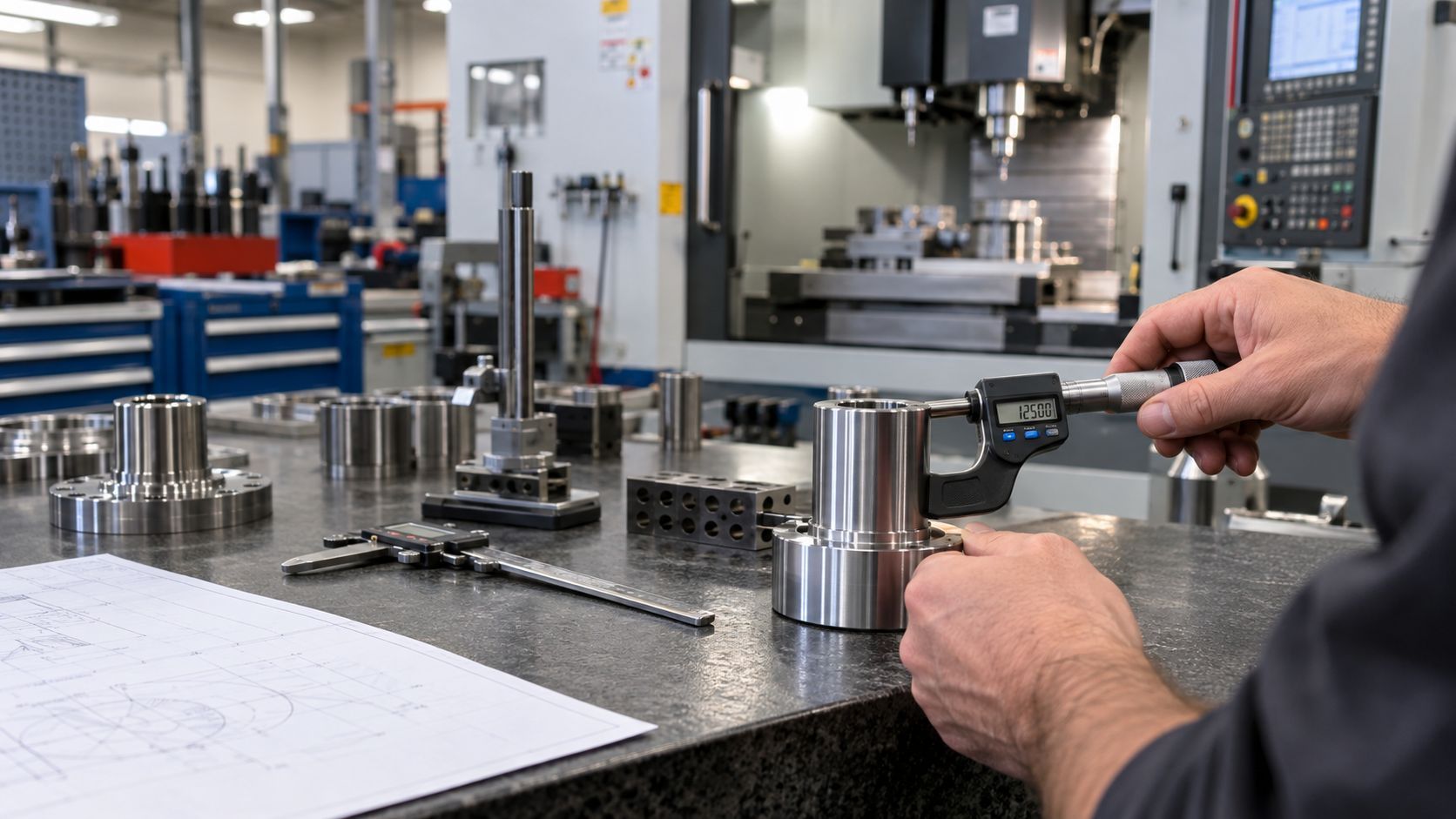
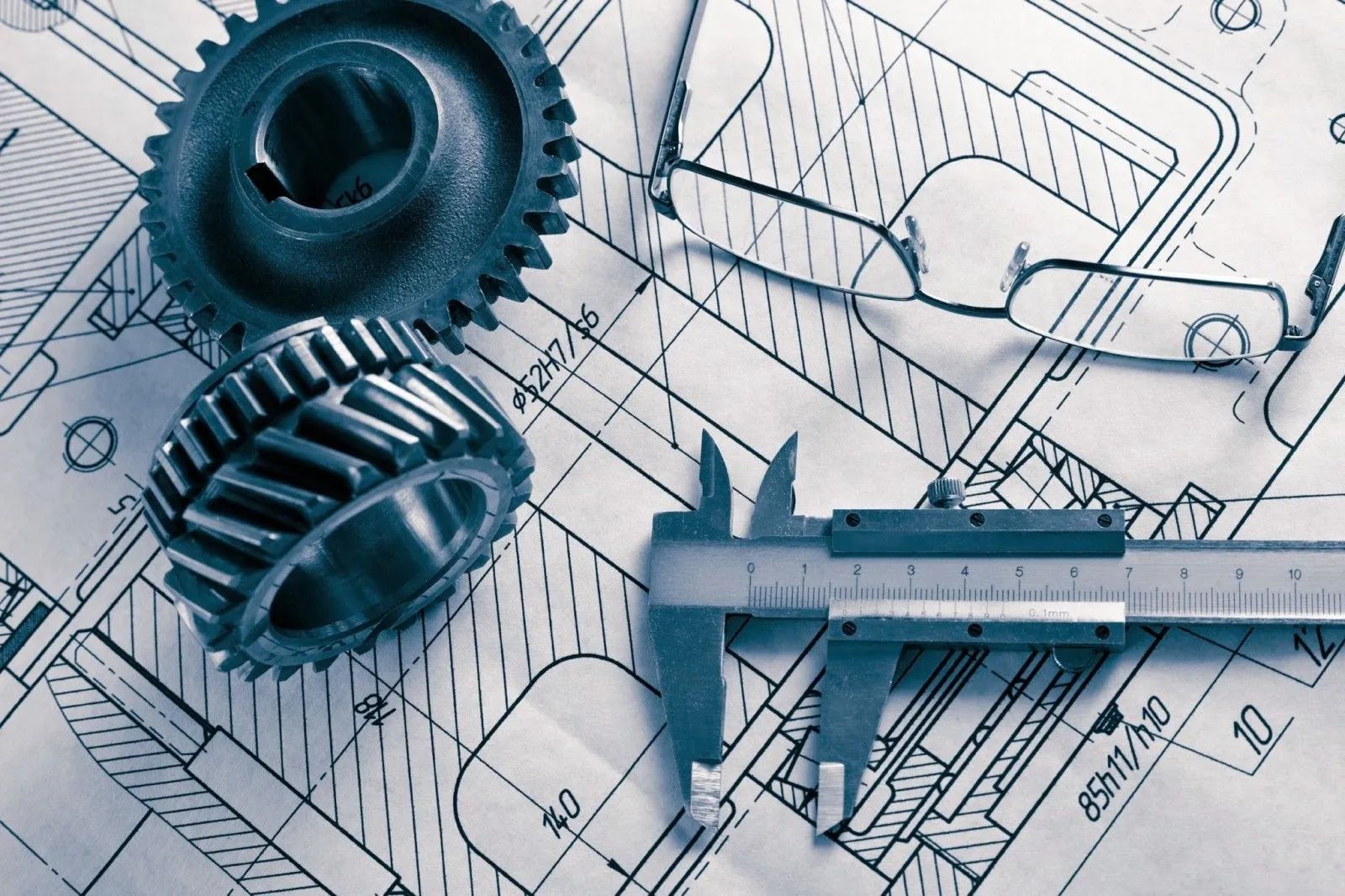
No precision machining process is complete without rigorous measurement and verification. Coordinate Measuring Machines (CMM), laser scanners, and digital micrometers are used to check dimensional accuracy. Quality assurance ensures components strictly match engineering drawings, client specifications, and regulatory standards.
Manufacturers who invest in metrology technologies reduce costly rework, strengthen customer trust, and maintain higher production consistency across every batch of components.
3. Materials Used in Precision Machining
Metals and Alloys
Precision machining commonly works with a wide variety of metals and alloys, including:
Plastics and Composites
Engineering plastics such as PEEK, Delrin, and nylon are frequently machined for medical, electronic, and specialized industrial components. These materials require precise tool paths, careful feed rates, and controlled temperatures to prevent warping, melting, or dimensional inaccuracy.
Manufacturers must evaluate multiple material characteristics, including:
- Thermal properties affecting expansion and heat resistance
- Chemical resistance to ensure long-term stability
- Dimensional stability for repeatable accuracy
Understanding material behavior ensures consistent machining outcomes, minimizes scrap rates, and improves overall production efficiency.
4. Benefits of Precision Machining for Manufacturers
Enhanced Product Quality
Precision machining guarantees tight tolerances, consistent finishes, and exceptional accuracy, significantly improving overall product performance. Components fit correctly, operate efficiently, and maintain durability under demanding conditions.
In industries like automotive manufacturing, precision machining ensures engines and transmissions operate smoothly with minimal vibration or wear. In medical equipment, precise components contribute to patient safety, regulatory compliance, and long-term reliability, highlighting the importance of accuracy in high-stakes applications.
Improved Operational Efficiency
Producing parts accurately the first time significantly reduces rework, scrap, and machine downtime. CNC precision machining also enables automation, minimizing labor requirements while maintaining consistent quality across high-volume runs.
Operational benefits include:
- Lower defect rates, reducing costly mistakes and returns
- Faster turnaround times, enhancing productivity and client satisfaction
- Reduced production waste, saving material and energy costs
- Predictable production schedules, improving overall workflow efficiency
These operational efficiencies directly influence profitability and business competitiveness in demanding manufacturing environments.
Customization and Scalability
Precision machining supports both one-off custom components and large-scale production runs, offering unmatched flexibility. Manufacturers can modify digital designs without replacing costly tooling systems, allowing rapid adjustments to prototypes or production parts.
For example, a prototype can be tested, refined, and optimized before scaling to mass production, accelerating innovation, reducing time-to-market, and improving overall product development cycles.
5. Common Challenges in Precision Machining
Tight Tolerance Demands
Maintaining tight tolerances requires careful attention to environmental and operational factors. Temperature fluctuations, vibrations, and machine wear can cause slight material expansion or contraction, impacting dimensional accuracy.
Manufacturers must implement climate-controlled facilities, maintain precise calibration schedules, and regularly monitor machine performance to consistently meet strict tolerance requirements.
Tool Wear and Maintenance
Cutting tools naturally degrade over time, which can affect surface finish, accuracy, and overall part quality. Monitoring tool life through predictive maintenance systems is critical to preventing production defects or costly downtime.
Best practices for tool maintenance include:
- Scheduled inspections to detect wear before impacting production
- Data-driven maintenance tracking to optimize tool replacement timing
- Use of high-performance coatings and tool materials to extend lifespan
Skilled Workforce Requirements
Although CNC automation reduces manual intervention, skilled machinists, programmers, and operators remain essential. Experts must understand machine behavior, tool paths, and troubleshooting procedures to achieve consistently precise results.
Investing in workforce training and ongoing professional development improves machining precision, reduces costly errors, and ensures optimal utilization of advanced manufacturing technologies.
6. Best Practices for Implementing Precision Machining
Design for Manufacturability (DFM)
Effective precision machining begins during the design stage. Engineers must consider manufacturability when developing complex part geometries or specifying tight tolerances.
DFM principles include:
- Avoiding unnecessarily tight tolerances that complicate production
- Minimizing complex internal features that increase machining difficulty
- Selecting materials that are easier to machine without sacrificing performance
Collaborating with precision machining experts early in the design process reduces production complications, improves efficiency, and ensures parts are manufacturable without costly redesigns.
Quality Control Integration
Quality assurance should be integrated throughout production, not only at the final inspection stage. Continuous monitoring detects deviations early, preventing costly errors and ensuring consistency across all manufactured components.
Strategies include:
- In-process inspections to catch defects immediately
- Statistical process control (SPC) to track and maintain quality
- Automated measurement systems for consistent accuracy
This proactive approach ensures better consistency, reduces rework, and accelerates problem resolution.
Strategic Supplier Partnerships
Manufacturers benefit from partnering with experienced precision machining providers who offer technical expertise, process optimization, and material guidance.
Long-term, knowledgeable partnerships contribute to:
- Innovation through advanced tooling and production techniques
- Reliability in delivering high-quality, consistent components
- Cost savings by optimizing machining processes and material use
Strong supplier relationships allow manufacturers to scale efficiently while maintaining strict quality standards and operational excellence.
Your Expert Partner in High-Quality Machined Components
Precision machining is more than a manufacturing technique—it is a strategic capability that supports product reliability, operational efficiency, and competitive advantage. By leveraging CNC technology, advanced machining methods, strict quality control, and skilled expertise, manufacturers can produce high-accuracy components that meet demanding industry standards. From selecting appropriate materials to implementing best practices in design and inspection, precision machining requires a disciplined and informed approach.
Savant Industrial Products & Services, a machinery parts manufacturer based in Seven Lakes, North Carolina, brings 13
years of experience in delivering precision-engineered components to a wide range of industries. With a strong focus on quality control, advanced machining capabilities, and customer-driven solutions, the company understands the technical demands that precision machining places on manufacturers. Every project is approached with careful planning, strict tolerance management, and a commitment to meeting exact specifications.