The Complete Guide to Industrial Parts Fabrication: Methods, Materials & Benefits
Industrial parts fabrication is the backbone of modern manufacturing, shaping components essential to machinery, vehicles, construction, and countless other sectors. As industries expand and evolve, the demand for precision-engineered parts has surged. Every bolt, bracket, panel, and assembly contributes to the operational efficiency and reliability of larger systems. Without efficient fabrication processes, production slows, costs rise, and quality suffers, making industrial fabrication a critical pillar of industrial progress. Advanced manufacturing technologies, combined with skilled engineering, now allow for higher precision, faster production cycles, and greater customization, meeting the rigorous demands of contemporary industries. The ability to produce components that adhere to tight tolerances ensures machinery operates seamlessly and minimizes operational risks.
Understanding the nuances of industrial parts fabrication is essential for organizations seeking reliability, cost-efficiency, and scalability. From selecting suitable materials to choosing appropriate fabrication methods, every decision impacts performance, durability, and functionality. This guide delves into the core aspects of industrial parts fabrication, offering a comprehensive overview of methods, materials, benefits, and best practices. It equips readers with actionable insights to make informed decisions, optimize production workflows, and ensure parts meet both functional and regulatory standards. By exploring real-world scenarios, challenges, and strategic approaches, this guide aims to provide a complete framework for navigating the complexities of industrial parts fabrication in today’s competitive manufacturing landscape. Additionally, it highlights emerging trends, innovative materials, and advanced techniques shaping the future of industrial production.
Understanding Industrial Parts Fabrication
What Industrial Parts Fabrication Entails
Industrial parts fabrication involves transforming raw materials into functional components through mechanical, thermal, and chemical processes. These components often form the building blocks of machinery, infrastructure, and equipment across diverse industries. The process is not limited to cutting and shaping metals; it encompasses welding, forming, machining, and finishing operations designed to achieve precise tolerances and reliable performance.
The Role of Precision in Fabrication
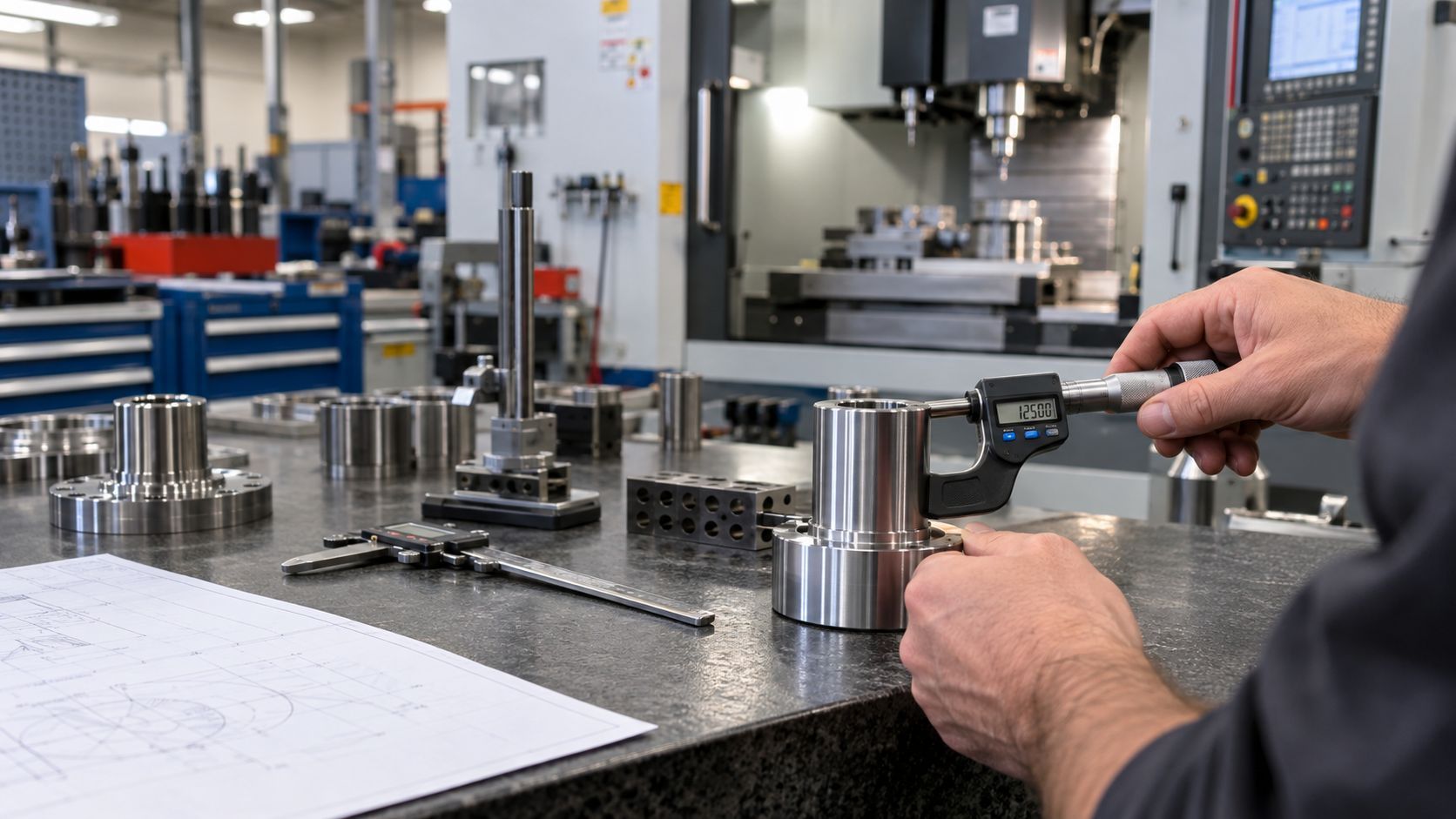
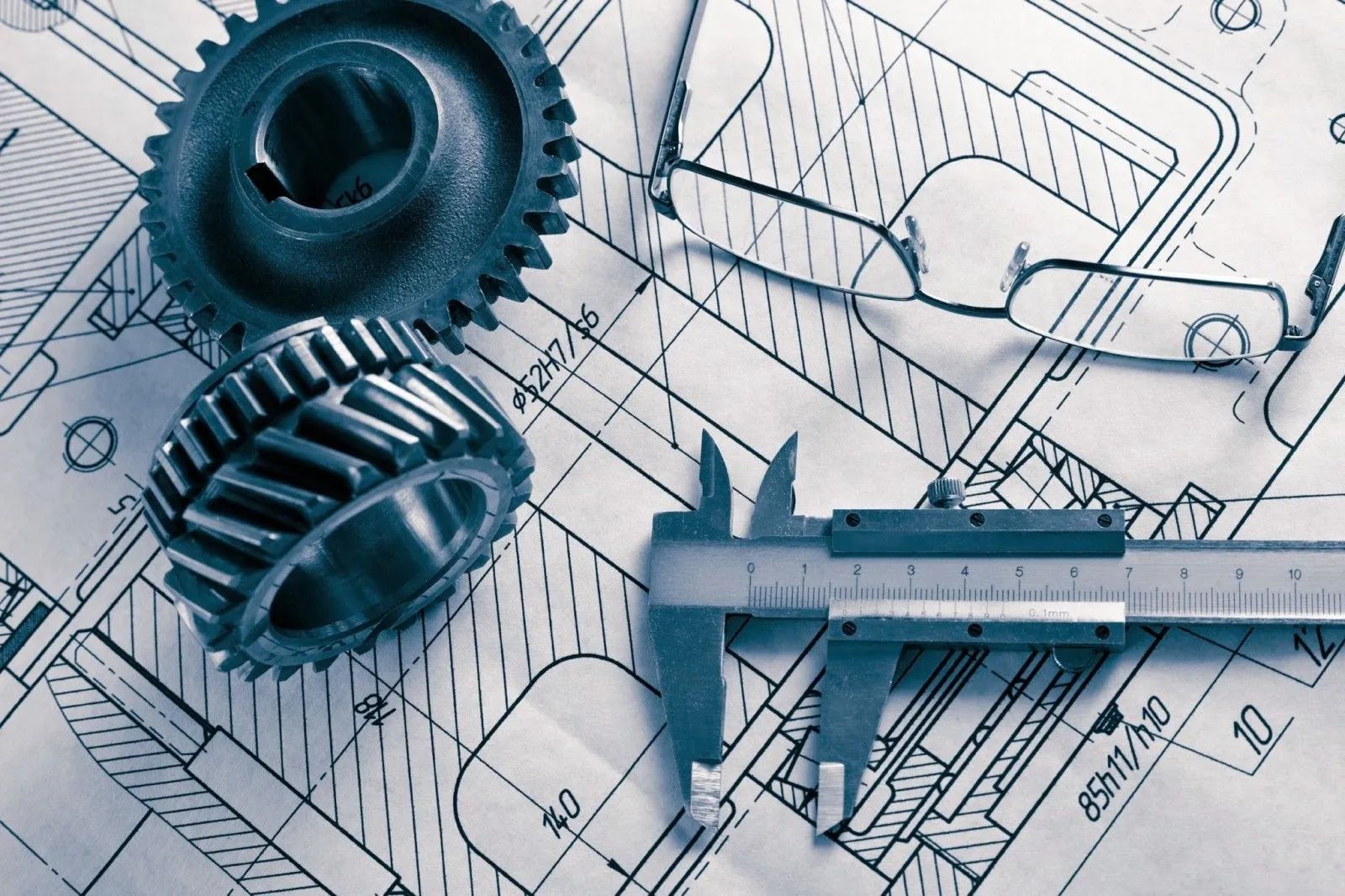
Precision is critical in industrial fabrication. Even minor deviations can compromise machinery performance or structural integrity. Modern fabrication integrates computer-aided design (CAD) and computer-aided manufacturing (CAM) to ensure parts adhere to strict specifications. CNC machining, laser cutting, and automated welding provide consistent accuracy, reducing human error and ensuring repeatability in high-volume production.
Real-World Applications
Industries such as automotive, aerospace, energy, and heavy machinery rely heavily on fabricated parts. For example, hydraulic systems require precisely machined cylinders, while construction machinery depends on robust structural components. Accurate fabrication ensures components fit seamlessly, operate safely, and withstand rigorous conditions, demonstrating how fabrication is integral to operational efficiency.
Challenges in Fabrication
Fabrication presents challenges including material inconsistencies, complex geometries, and maintaining quality during scaling. Addressing these challenges requires thorough planning, skilled oversight, and leveraging advanced technologies. Understanding these factors allows manufacturers to anticipate issues, optimize processes, and deliver parts that meet both performance and regulatory requirements.
Common Methods of Industrial Parts Fabrication
Cutting Techniques
- Laser Cutting
Laser cutting employs a high-powered laser to cut through metals with extreme precision and minimal distortion. It minimizes material wastage and allows for intricate designs, making it ideal for components requiring tight tolerances and complex patterns.
- Water Jet Cutting
Water jet cutting uses high-pressure water mixed with abrasive particles to slice materials without generating heat or affecting structural integrity. This method preserves material properties and suits heat-sensitive metals or advanced composites effectively.
- Plasma Cutting
Plasma cutting is an efficient method for thick metals, using ionized gas to cut with speed, accuracy, and consistency. It is commonly used in heavy industrial applications where large components require rapid, reliable processing.
Forming and Shaping
- Sheet Metal Bending
Sheet metal bending reshapes flat metal sheets into structural or decorative components with precise angles. Precision press brakes and automated bending systems allow consistent angles and dimensions, essential for modern assembly lines and industrial workflows.
- Rolling
Rolling transforms metals into cylindrical or curved forms with uniform thickness and structural integrity. This technique is widely applied in piping, tanks, and structural elements, combining strength, versatility, and design flexibility.
Joining Techniques
- Welding
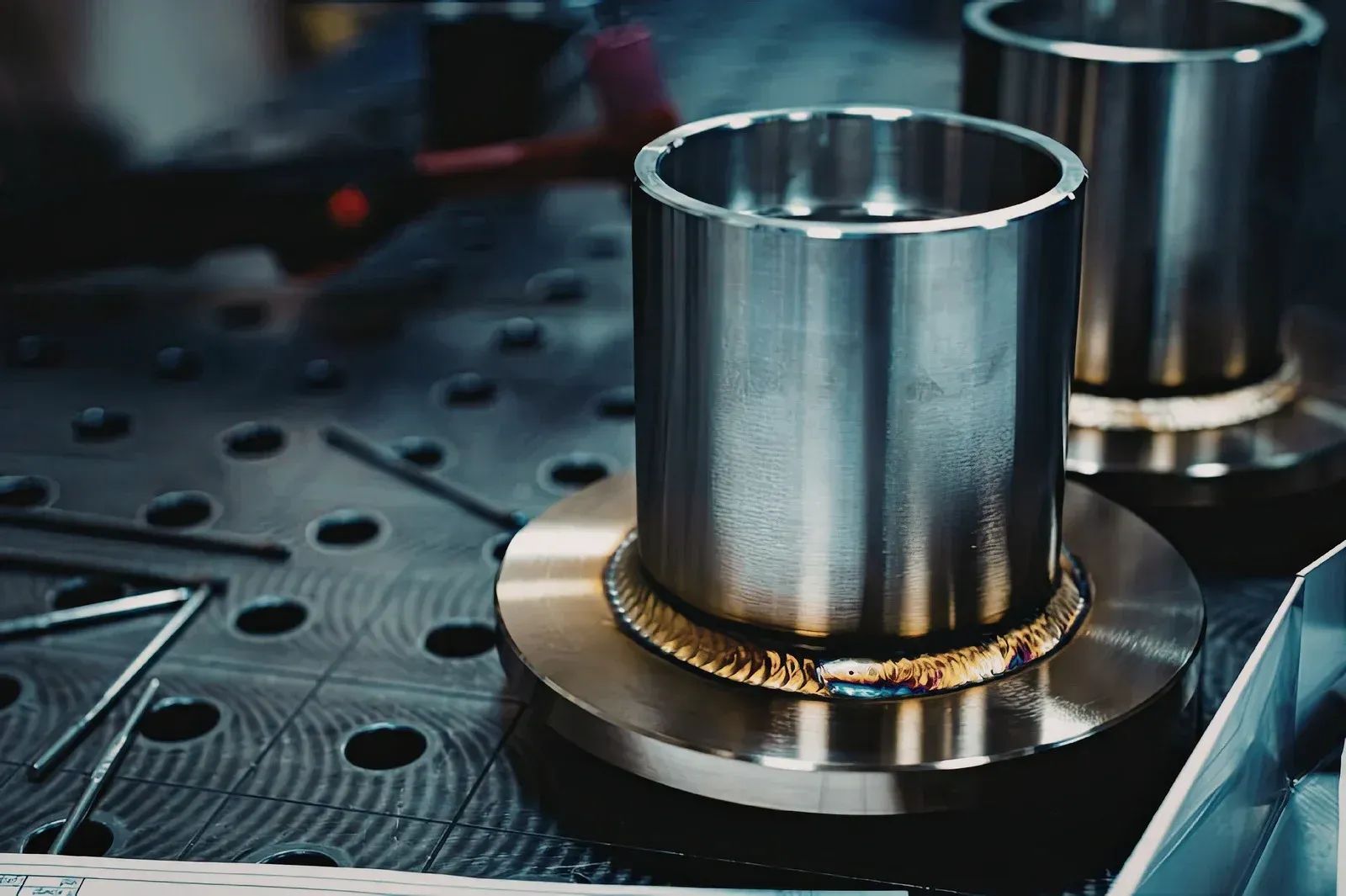
Welding fuses metals using heat or pressure to create strong, durable joints. Methods include MIG, TIG, and spot welding, each suited to different materials, thicknesses, and applications, ensuring structural integrity and long-term reliability.
- Fastening
Mechanical fastening with bolts, screws, or rivets remains essential for secure assembly, especially when disassembly, maintenance, or adjustments are required for operational efficiency.
- Adhesive Bonding
Industrial adhesives provide alternatives to mechanical joining, offering uniform stress distribution, vibration resistance, and protection against environmental conditions, suitable for high-precision or lightweight components.
- Machining
Machining encompasses milling, turning, and drilling to remove material and shape parts with tight tolerances for functional and aesthetic requirements. Advanced CNC machinery enables consistent production of complex components, critical in aerospace, automotive, and industrial applications.
Materials Used in Industrial Parts Fabrication
Metals
Polymers and Composites
Material Challenges
Working with diverse materials requires thorough understanding of their limitations and behavior under different conditions. Metals may warp during welding, polymers can degrade under UV exposure, and composites demand specialized machining tools. Proper knowledge, handling, and expertise ensure quality fabrication outcomes.
Benefits of Industrial Parts Fabrication
Enhanced Efficiency
Custom-fabricated parts improve machinery efficiency by ensuring precise fit, reducing friction, and minimizing operational downtime caused by ill-fitting or misaligned components during production processes.
Cost Savings
Fabrication reduces long-term costs by producing durable components with minimal material wastage. Optimized production processes lower material consumption, labor requirements, and overall operational expenses effectively.
Scalability
Fabrication allows scalable production to meet fluctuating demand efficiently. Advanced machinery and modular designs facilitate rapid increases in production without sacrificing quality, consistency, or reliability.
Innovation Enablement
Fabrication supports innovation by enabling complex geometries, customized solutions, and integration of advanced materials. New designs can be prototyped, iterated, and implemented efficiently, accelerating industrial product development timelines.
Quality and Reliability
Precision fabrication ensures consistent quality and operational reliability. This reduces machinery failures, enhances safety, and strengthens compliance with strict industry standards and regulatory requirements.
Sustainability
Efficient fabrication reduces scrap, conserves energy, and promotes recycling of materials wherever possible. Sustainable practices contribute to environmental responsibility while maintaining competitive industrial advantages.
Best Practices in Industrial Parts Fabrication
Process Planning and Design
Investing time in detailed planning, CAD modeling, and process simulation minimizes errors and ensures smooth production. Understanding the workflow, material flow, and assembly requirements enhances overall industrial efficiency and outcomes.
Quality Control and Inspection
Regular inspections using coordinate measuring machines (CMMs), optical scanners, and non-destructive testing methods ensure parts meet tolerances and design specifications. Early detection of defects prevents costly rework and delays in production.
Skilled Workforce
Even with advanced machinery, skilled operators and technicians remain essential. Training in equipment handling, safety protocols, and material behavior improves precision, reduces risks, and enhances overall fabrication quality.
Maintenance of Equipment
Routine maintenance of CNC machines, welding equipment, and cutting tools prolongs equipment lifespan, maintains accuracy, and prevents unexpected downtime during critical production cycles.
Continuous Improvement
Adopting lean manufacturing principles, monitoring key performance indicators, and integrating continuous feedback loops allow process optimization, cost efficiency, and improved competitiveness in dynamic industrial sectors.
Dependable Industrial Component Solutions Designed For Performance
Industrial parts fabrication is central to modern manufacturing, enabling efficiency, precision, and innovation across diverse sectors. Understanding fabrication methods, material properties, and associated benefits allows for informed decision-making that impacts production quality, cost management, and operational performance. From cutting, forming, and machining to welding and fastening, each process contributes to the creation of durable, reliable components. Selecting appropriate materials—whether metals, polymers, or composites—ensures components meet mechanical and environmental demands. The adoption of best practices in design, quality control, workforce training, and maintenance further strengthens fabrication outcomes, driving both sustainability and scalability.
At
Savant Industrial Products & Services, we leverage 13
years of experience in precision machinery parts manufacturing to deliver components that meet rigorous industrial standards. Located in Seven Lakes, North Carolina, our commitment to quality, reliability, and innovation ensures every part is fabricated with meticulous attention to detail. Our approach combines advanced technologies with expert knowledge to support client success, offering trustworthy solutions that enhance productivity and long-term performance.