How Custom-Machined Parts Improve Equipment Performance and Reduce Downtime
In modern industrial environments, equipment reliability directly impacts productivity, safety, and profitability. Manufacturing plants, processing facilities, construction operations, and logistics hubs all depend on machinery performing at peak efficiency. Even minor component failures can trigger unplanned downtime, disrupt supply chains, and lead to costly repairs. While off-the-shelf parts may appear convenient, they often fail to meet the exact performance demands of specialized equipment. In some cases, standard components are prone to premature wear, misalignment, or material fatigue, further compounding operational risks. Businesses that rely solely on generic parts may face recurring maintenance issues, increasing labor costs and reducing overall equipment life. This is where custom-machined parts play a transformative role, providing targeted solutions to complex machinery challenges and ensuring uninterrupted workflow across critical operations.
Custom machining provides precision-engineered components tailored to specific operational requirements, tolerances, and material conditions. Instead of forcing machinery to adapt to generic parts, manufacturers can design components that align perfectly with performance goals. From improved load distribution and enhanced durability to tighter tolerances and optimized fit, custom-machined parts elevate equipment efficiency while minimizing wear and unexpected breakdowns. Moreover, these solutions allow for greater flexibility in adapting machinery to evolving production demands, supporting scalability and future upgrades. In industries where every minute of downtime translates to financial loss, investing in precision-machined solutions is not a luxury—it is a strategic necessity. Understanding how custom components improve equipment performance and reduce downtime offers valuable insight for businesses seeking sustainable operational excellence and a competitive edge in their respective markets.
1. Precision Engineering as the Foundation of Equipment Performance
The Role of Tight Tolerances
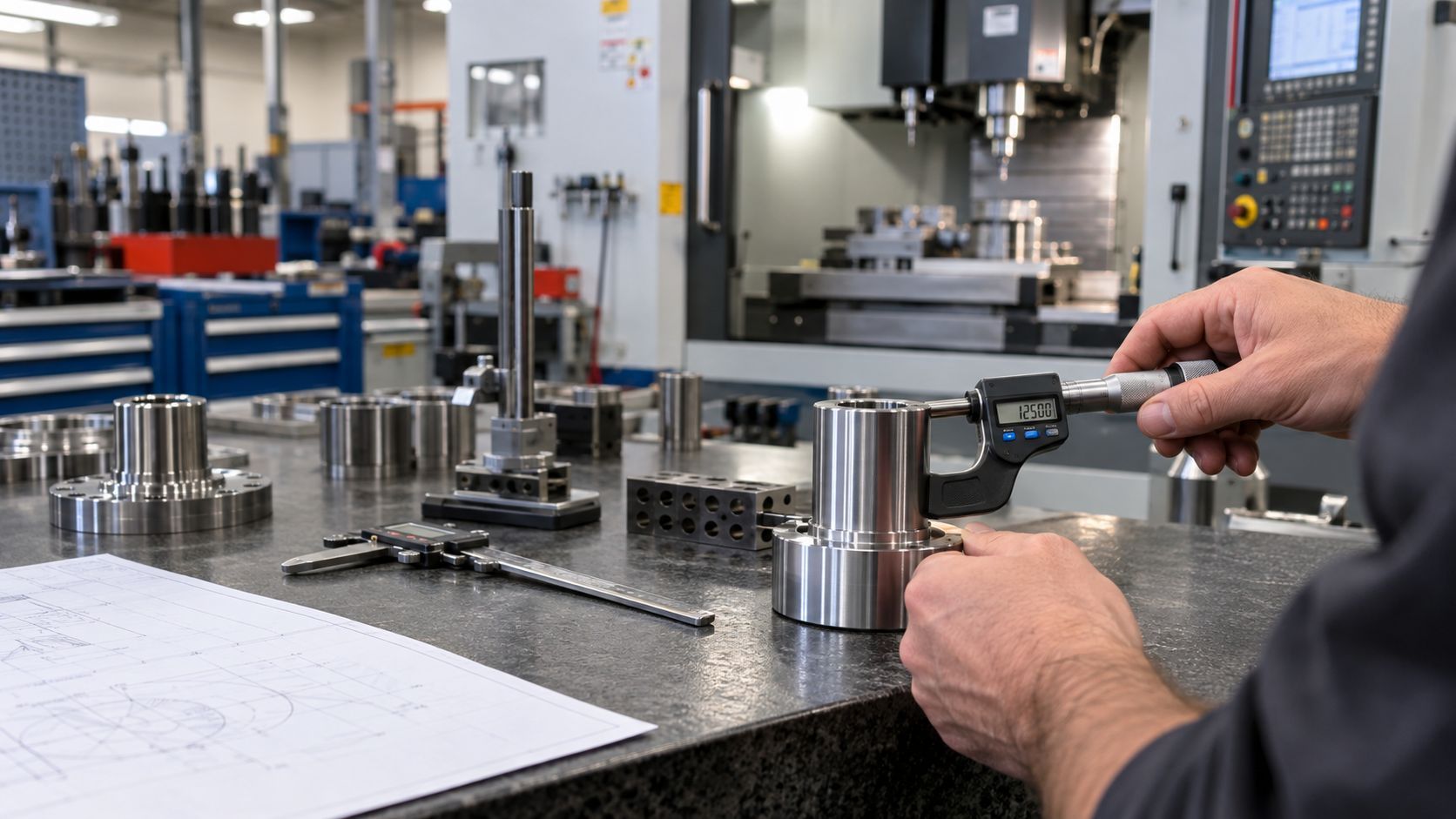
Precision machining allows manufacturers to create parts with exact dimensional tolerances. In high-performance equipment, even a minor deviation can cause friction imbalance, vibration, or premature wear. Custom-machined components are engineered to match equipment specifications precisely, ensuring seamless integration with existing assemblies.
For example, in rotating machinery such as pumps or compressors, misaligned shafts or improperly fitted bearings can increase friction and energy consumption. A custom-machined shaft designed to exact measurements reduces mechanical stress and enhances rotational efficiency. The result is smoother operation, improved output consistency, and extended service life.
Material Selection for Application-Specific Performance
Another critical advantage of custom-machined parts is the ability to select materials based on the equipment’s operating environment. Off-the-shelf components often use standardized materials that may not withstand extreme heat, corrosion, or high-pressure conditions.
Custom machining enables engineers to choose specialized alloys, hardened steels, or corrosion-resistant materials tailored to operational demands. For instance, equipment operating in chemical processing plants benefits from parts machined from corrosion-resistant alloys that prevent degradation. This targeted material selection directly reduces the risk of premature failure and operational downtime.
By combining precise tolerances with strategic material engineering, custom-machined components form the structural backbone of reliable equipment performance.
2. Reducing Downtime Through Improved Fit and Compatibility
Eliminating Installation Errors
Generic parts often require modifications during installation, leading to delays and potential errors. Adjustments such as re-drilling, grinding, or forcing alignment can weaken structural integrity. Custom-machined parts are built to exact equipment specifications, eliminating guesswork and minimizing installation time.
In high-volume production environments, quicker installations translate into measurable cost savings. Maintenance teams can replace worn components efficiently without extended shutdown periods. Reduced installation complexity also lowers the likelihood of secondary damage caused by improper fitting.
Preventing Recurring Failures
When components do not fit perfectly, stress concentrations develop at connection points. Over time, this leads to cracks, fatigue, and repetitive breakdowns. Custom-machined parts distribute load evenly across surfaces, preventing localized stress accumulation.
Consider a conveyor system experiencing repeated bracket failures. A standard bracket may not account for load shifts during peak operation. A custom-machined bracket designed with reinforced geometry and optimized thickness can resolve the issue permanently. Instead of addressing symptoms repeatedly, companies eliminate the root cause of failure.
Improved compatibility ensures machinery operates as designed, reducing the frequency of emergency repairs and preventing cascading system failures.
3. Enhancing Equipment Efficiency and Operational Output
Optimized Mechanical Performance
Supporting High-Speed and High-Load Applications
Modern industrial equipment frequently operates at higher speeds and loads than ever before. Standard parts may not withstand these intensified demands. Custom-machined components can be engineered with reinforced structures, advanced coatings, or thermal treatments that support extreme performance requirements.
In heavy manufacturing operations, custom-machined couplings designed to handle higher torque loads reduce the risk of catastrophic failure. This ensures continuous operation even under demanding production schedules.
Optimized mechanical interaction improves energy efficiency, reduces strain on adjacent components, and supports consistent operational throughput—key factors in maximizing productivity.
4. Extending Equipment Lifespan Through Durability and Wear Resistance
Addressing Wear Patterns
Equipment naturally develops wear patterns over time. Custom-machined replacement parts can be redesigned to counteract known wear points. Instead of replicating a flawed standard component, engineers can adjust geometry or material composition to improve durability.
For instance, a frequently worn bushing can be custom-machined using a harder alloy or surface treatment to resist abrasion. By proactively strengthening vulnerable components, companies extend overall equipment lifespan.
Surface Treatments and Coatings
Custom machining often integrates advanced finishing processes such as heat treatment, anodizing, or specialized coatings. These enhancements improve corrosion resistance, hardness, and fatigue strength.
In food processing environments, stainless steel components with smooth surface finishes prevent contamination buildup while resisting corrosion. In mining operations, hardened and coated components withstand abrasive materials and heavy impacts.
Durable custom-machined parts not only reduce replacement frequency but also protect surrounding components from secondary damage. Over time, this results in significant maintenance cost reduction and improved asset longevity.
5. Improving Maintenance Strategies and Predictive Reliability
Facilitating Predictive Maintenance
Custom-machined components can be designed to support predictive maintenance strategies. Integrated design modifications, such as sensor-compatible housings or inspection-friendly geometries, simplify condition monitoring.
By allowing easier access for inspection and measurement, these parts enable maintenance teams to identify wear before it escalates into failure. Predictive maintenance reduces unexpected shutdowns and allows companies to schedule repairs during planned downtime windows.
Standardization Within Customization
While customization may seem contradictory to standardization, companies can create tailored parts that become internal standards across multiple machines. Once a high-performance custom component proves effective, it can be replicated consistently across equipment fleets.
This strategic approach improves inventory management, simplifies replacement planning, and ensures consistent performance across facilities. Instead of stocking numerous generic variants, organizations maintain a focused inventory of optimized components.
Effective maintenance planning combined with precision engineering significantly enhances reliability metrics and operational predictability.
6. Overcoming Common Challenges in Custom Machining
Balancing Cost and Long-Term Value
One concern businesses often raise is the upfront cost of custom-machined parts. While initial investment may exceed that of standard components, the long-term savings often justify the expense. Reduced downtime, fewer replacements, and improved efficiency create measurable return on investment.
A real-world example can be found in manufacturing plants that experience repeated gearbox failures due to substandard gears. Replacing those gears with custom-machined alternatives reduces failure frequency, saving labor costs and minimizing production interruptions.
Partnering with the Right Machining Experts
Successful implementation depends on collaborating with experienced machining professionals. Accurate measurements, material expertise, and advanced CNC capabilities are critical to achieving optimal results.
Working with knowledgeable specialists ensures design validation, quality assurance testing, and adherence to industry standards. Transparent communication during design and prototyping phases helps prevent costly errors.
By addressing challenges strategically, companies can unlock the full performance benefits of custom-machined solutions.
Trusted Experts Ensuring Optimal Equipment Performance Outcomes
Savant Industrial Products & Services, a
machinery parts manufacturer
based in Seven Lakes, North Carolina, brings 13
years of experience in delivering precision-engineered solutions tailored to demanding industrial applications. With a strong commitment to quality, advanced machining capabilities, and deep industry knowledge, the company supports clients seeking to improve equipment performance and minimize downtime. By combining technical expertise with a results-driven approach, Savant Industrial Products & Services
stands as a trusted partner for organizations that require reliable, high-performance custom-machined parts designed to meet exact operational requirements.