Custom vs. Off-the-Shelf Fabricated Parts: Which Saves Your Business More Money?
In today’s fast-paced industrial landscape, machinery efficiency and operational cost management remain critical to maintaining competitiveness. Choosing the right fabricated parts can significantly impact both production performance and overall expenses. Businesses often face the dilemma of selecting between custom-fabricated components and off-the-shelf parts. While off-the-shelf options offer convenience and immediate availability, custom parts promise precise specifications tailored to specific operational requirements. The choice made can influence not only production quality but also workforce productivity and safety standards. Selecting the optimal components is, therefore, a strategic decision that affects long-term operational sustainability.
The decision between custom and standard parts extends beyond initial purchase prices. It involves evaluating durability, compatibility, maintenance requirements, and potential downtime risks. A careful analysis can reveal that, in some cases, the initial investment in custom parts leads to long-term savings by reducing operational disruptions, extending equipment life, and improving process efficiency. Conversely, off-the-shelf solutions may suffice for standardized applications where immediate availability and lower upfront costs outweigh long-term benefits. Considering factors such as total cost of ownership, lifecycle performance, and scalability ensures that businesses avoid hidden expenses and make choices aligned with growth objectives.
1. Understanding Custom and Off-the-Shelf Parts
Custom Fabricated Parts Defined
Custom fabricated parts are designed and manufactured according to the precise specifications of a particular application or piece of machinery. They address unique operational challenges and are tailored for optimal performance. These parts allow for adjustments in material, size, tolerance, and function that standard components cannot accommodate. In industries like heavy machinery, aerospace, or specialized manufacturing, precision and compatibility directly affect efficiency and safety.
Off-the-Shelf Parts Explained
Off-the-shelf parts are standardized components produced in large quantities for general use. They are typically ready-made, widely available, and compatible with a broad range of equipment. While cost-effective initially, these parts may not always meet specific requirements, leading to compromises in performance, longevity, or operational efficiency. Examples include standard bearings, fasteners, valves, and motors commonly stocked by distributors.
Key Differences Impacting Costs
The main differences affecting financial considerations include production cost, lead time, durability, and maintenance frequency. Custom parts generally require higher upfront investment but can prevent recurring downtime or compatibility issues. Off-the-shelf parts reduce initial expenses but may incur higher costs over time due to replacements, retrofitting, or inefficiency. Understanding these distinctions helps businesses anticipate long-term impacts on budget and productivity.
2. Cost Analysis: Upfront vs. Long-Term
Upfront Costs
Off-the-shelf parts offer the advantage of minimal initial expenditure. Bulk manufacturing and mass distribution reduce unit costs, enabling businesses to purchase parts immediately at relatively low prices. For small-scale operations or non-critical applications, this can free up capital for other operational needs. Conversely, custom parts require precise design, engineering input, and often smaller production runs. This results in higher upfront costs due to specialized labor, materials, and fabrication processes.
Hidden and Maintenance Costs
While off-the-shelf parts may seem cheaper initially, hidden costs can accumulate. Incompatibility, frequent replacements, and additional modifications can increase total expenditure over time. Custom parts, though more expensive initially, often reduce maintenance costs by providing superior fit, durability, and reliability. For example, a custom-machined gear designed to exact specifications can last years longer than a standard gear, minimizing downtime and replacement frequency.
Total Cost of Ownership (TCO) Perspective
Analyzing costs purely based on purchase price is insufficient. Total cost of ownership accounts for procurement, installation, maintenance, operational efficiency, and potential downtime losses. In many cases, custom parts offer lower TCO by enhancing machine performance, reducing maintenance labor, and preventing costly operational interruptions. Businesses that adopt a TCO approach often realize that investing in quality custom components is financially advantageous over the long term.
3. Operational Efficiency and Downtime Considerations
Case Scenario Example
Consider a manufacturing line using custom-cut conveyor rollers versus standard rollers. Custom rollers matched precisely to the line’s specifications reduce vibrations, prevent misalignment, and extend belt life. Standard rollers may fit but cause uneven wear, leading to more frequent replacements and production halts. Over time, the initial investment in custom rollers offsets the operational losses incurred by standard replacements, demonstrating a clear link between customization and long-term savings.
4. Material Selection and Quality Control
Material Advantages of Custom Parts
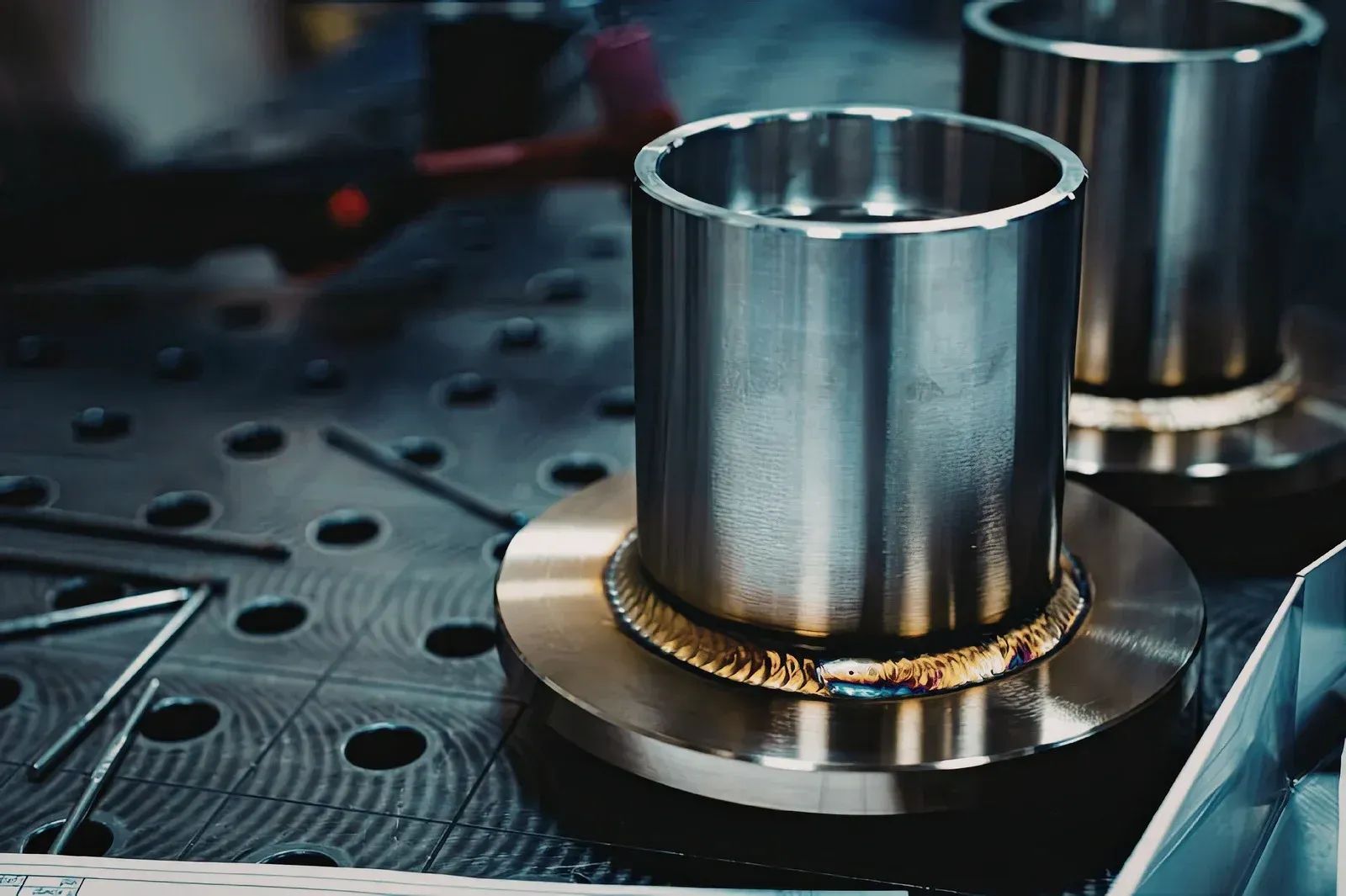
Custom fabrication allows businesses to select materials optimized for the specific application. High-stress or high-temperature environments benefit from alloys or composites that resist wear and corrosion. Off-the-shelf parts are often limited to general-purpose materials, which may not withstand demanding operational conditions. Selecting superior materials from the outset reduces part failure, enhances safety, and minimizes the need for early replacement.
Quality Control Benefits
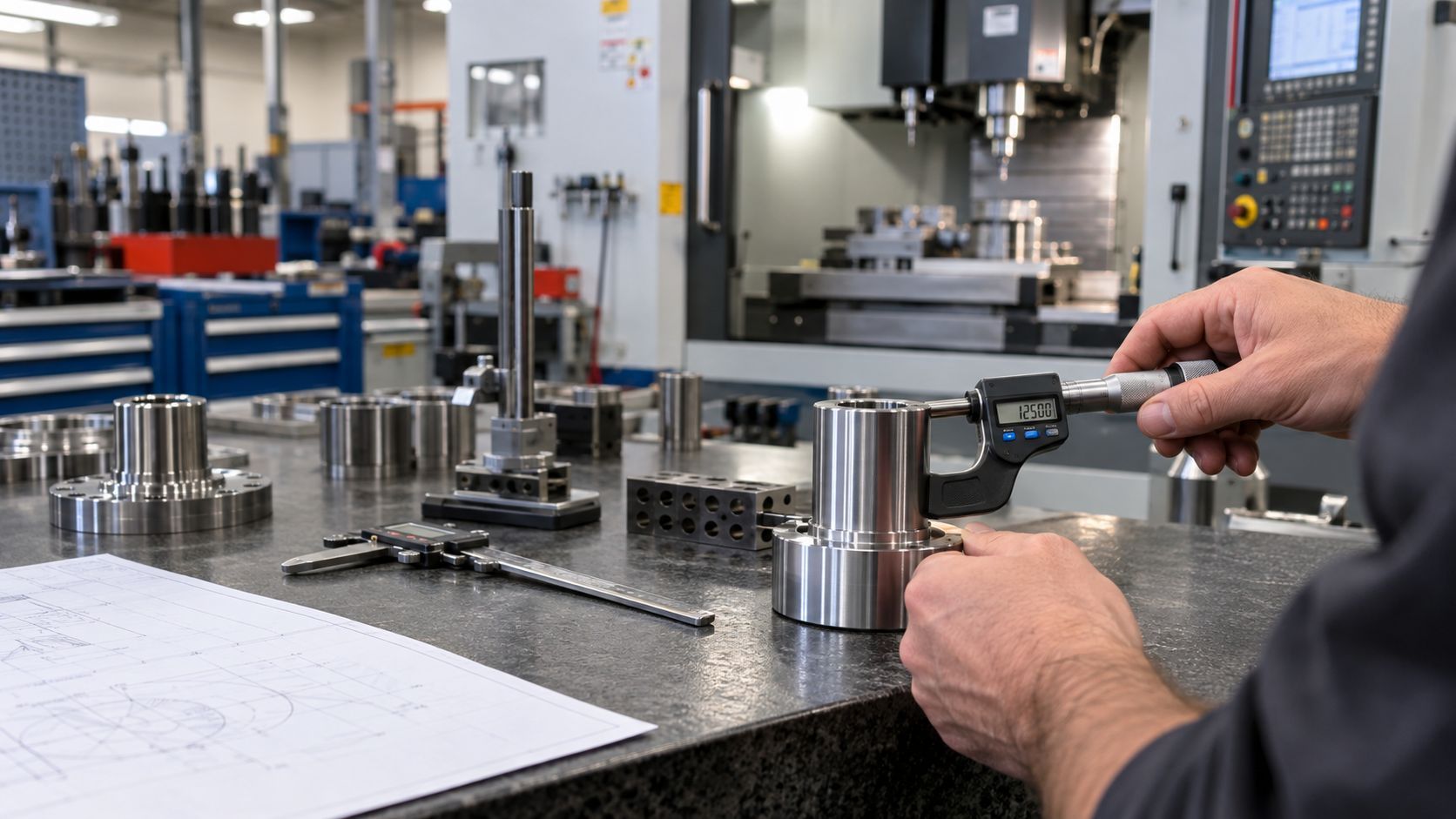
Custom parts undergo rigorous design verification and testing tailored to intended use. This controlled process ensures consistent quality, adherence to specifications, and compliance with regulatory standards. Off-the-shelf components, while generally reliable, rely on batch manufacturing and may vary in quality. In critical industrial applications, even minor deviations can result in inefficiency, accidents, or costly recalls.
Example of High-Stakes Application
In industrial pumps or turbines, custom-fabricated impellers made from high-grade stainless steel reduce corrosion and improve flow efficiency. Standard impellers may meet basic performance criteria but fail sooner in corrosive or high-pressure environments. The longer lifespan and optimized efficiency of custom materials often lead to measurable financial savings through reduced replacements and energy consumption.
5. Lead Times, Flexibility, and Inventory Management
Lead Time Considerations
Off-the-shelf parts offer immediate availability, a key advantage in urgent repair situations. Custom parts, by nature, require design and fabrication time. However, advanced planning and predictive maintenance can mitigate lead time concerns. Investing in critical custom parts ahead of time ensures operational continuity without last-minute disruptions.
Flexibility and Adaptation
Custom fabrication allows for continuous innovation. Machinery upgrades, process changes, or new product lines may require specialized components. Off-the-shelf parts may not support these adaptations without modification, limiting flexibility. Custom parts enable seamless adaptation to evolving operational needs, reducing the need for extensive retrofitting or process compromise.
Inventory Management Implications
Maintaining stock of standard parts can simplify inventory but may occupy space with components that are not perfectly aligned with operational needs. Custom parts, designed precisely for specific machinery, reduce the volume of spare inventory required and improve inventory turnover efficiency. Fewer but more purpose-driven parts translate into cost savings in storage, handling, and management.
6. Decision-Making Framework for Businesses
Assess Operational Requirements
Evaluate machinery, processes, and production goals to determine whether standardization or customization aligns with business needs. High-volume, low-complexity operations may benefit from off-the-shelf parts, while specialized or high-stakes applications often justify custom solutions.
Evaluate Financial Trade-Offs
Consider both upfront costs and long-term total cost of ownership. Incorporate maintenance schedules, downtime risks, and material durability into financial projections. Quantifying these variables can clarify which approach yields the most cost-effective outcome.
Risk Mitigation and Reliability
Factor in reliability, quality control, and compliance requirements. Custom parts provide a level of assurance in performance and regulatory adherence that standard parts may not guarantee. Reliability is particularly crucial in industries with safety or precision mandates, where failure can incur not only costs but also reputational damage.
Expert Consultation and Prototyping
Engage with fabrication specialists to explore design options, materials, and testing protocols. Prototyping custom parts can validate functionality before full-scale production, reducing the risk of costly errors. Expert guidance ensures that choices are both technically sound and financially justified.
Expert Fabrication Solutions Delivering Long-Term Business Savings
Choosing between custom and off-the-shelf fabricated parts requires a strategic evaluation of both operational and financial implications. Off-the-shelf components offer quick availability and low initial costs, making them suitable for standardized applications with limited risk. Custom parts, while requiring higher upfront investment, provide precise fit, material optimization, and superior durability, often resulting in lower long-term expenses and reduced downtime. Businesses benefit from assessing total cost of ownership, operational reliability, and adaptability to determine the most cost-efficient solution. Making an informed decision also helps mitigate unexpected repair costs and minimizes production interruptions, contributing to smoother operations and better resource allocation.
At
Savant Industrial Products & Services, located in Seven Lakes, North Carolina, with 13
years of experience in machinery parts manufacturing, expertise in precision fabrication ensures solutions that save money while enhancing performance. Our approach prioritizes quality, reliability, and tailored design, delivering components engineered to meet exact operational needs. By choosing our custom fabrication services, businesses can reduce maintenance costs, prevent downtime, and achieve measurable long-term savings, reinforcing operational efficiency and financial sustainability. Beyond cost savings, our solutions also support scalability and future upgrades, enabling machinery to adapt seamlessly to evolving production demands.